Establishing a foundation for lifelong oral health begins long before the first tooth emerges from the gingival tissue. Parents become confused about early hygiene practices because they receive mixed recommendations. However, the best approach to guarantee your child develops properly requires you to make infant dentistry your top priority. Every procedure from gum bacterial biofilm management to fluoride concentration selection plays a role in creating a healthy smile.
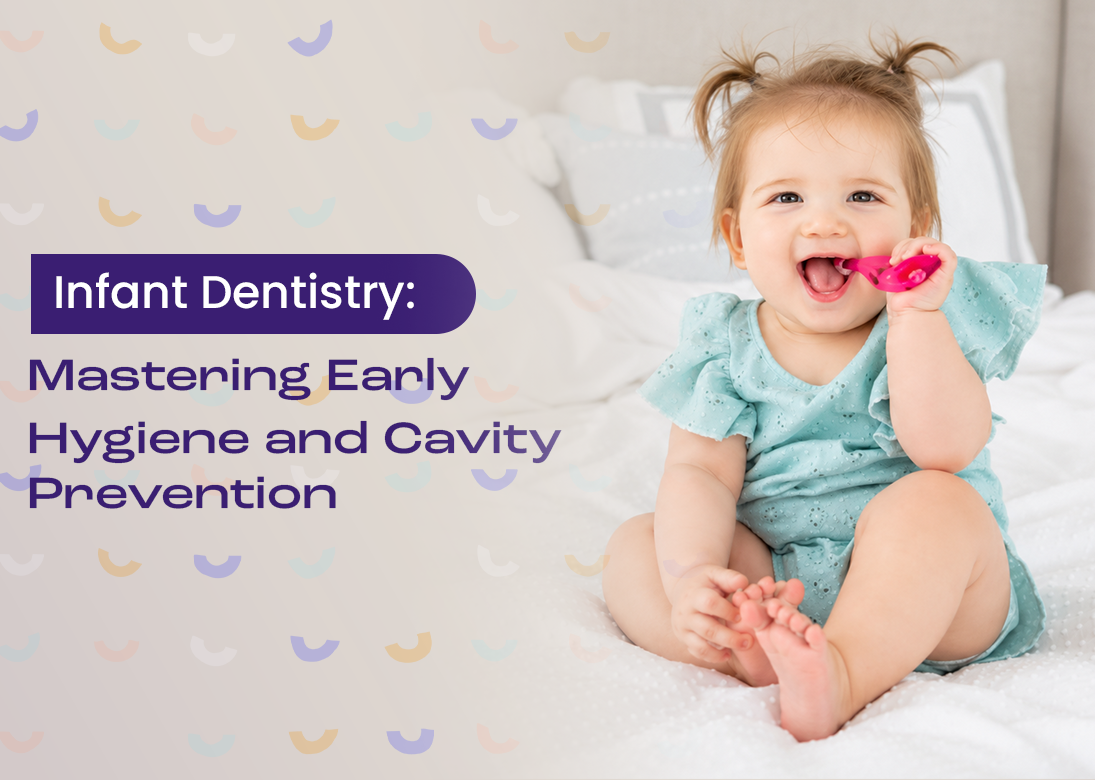
The primary teeth function as vital space holders for permanent teeth while also supporting essential speech development and proper eating functions.
Many parents are surprised to learn that cavities in baby teeth can occur as soon as the first tooth erupts. If left untreated, these infections can spread to the permanent teeth below the surface which results in early tooth loss and subsequent orthodontic issues during adulthood.
The human mouth contains an intricate system which consists of multiple bacterial species. Therefore, practicing dental care for infants helps you to manage this microbiome and prevent the overgrowth of acid-producing bacteria that lead to enamel erosion.
Oral hygiene should actually begin just days after birth. The gums can develop bacterial infections because milk sugars remain present in the mouth despite the absence of visible teeth.
Many parents ask for a specific technique on how to clean baby gums safely. The following steps should be followed to create a healthy oral environment.
The transition from gum wiping to brushing is a significant milestone in a child’s developmental journey.
The clinical recommendation for when to start brushing baby teeth is immediate. Plaque can begin to accumulate the moment a tooth breaks the surface.
When learning how to clean baby teeth, precision is more important than pressure.
Fluoride, which exists as a natural mineral, serves as a fundamental component that protects developing enamel through its proper application.
The American Academy of Pediatric Dentistry recommends using fluoride toothpaste for babies as soon as the first tooth appears. At &Smiles Pediatric Dentistry, we prioritize educating parents on the “smear rule” to ensure safety:
In addition to topical toothpaste your child needs to receive proper fluoride intake from fluoridated tap water or any supplements that your doctor recommends. This enables permanent teeth to develop stronger enamel protection which begins when teeth stay hidden under the gum line.
What an infant consumes is just as important as how their teeth are cleaned. The sugars present in milk, formula and juice products create a situation where sugars remain on teeth for multiple hours which results in fast dental decay.
Baby bottle tooth decay occurs when children sleep using bottles that contain any liquid except plain water. The bacteria create acid throughout the entire night because they receive continuous access to sugars which results in severe dental damage for the upper front teeth.
Ultimately, the journey toward a healthy smile begins with the very first cleaning habit you establish at home. By prioritizing early infant dentistry, you are giving your child the best possible start and avoiding the common pitfalls of early childhood decay. Whether you are wiping gums or navigating the first tooth eruption, consistency and professional guidance are your best tools. Furthermore, knowing when to take the baby to the dentist ensures you catch potential issues early. Let’s work together to make every visit a rewarding milestone.
As Bishop Arts’ only board-certified specialists, &Smiles Pediatric Dentistry champions minimally invasive, “no-drill” care. Our child-centered approach combines advanced behavior management with a gentle philosophy, transforming routine visits into positive, trust-building experiences for every Dallas family seeking stress-free dental excellence.


.png)
.png)


.svg)


