We get this question constantly in the office, at neighborhood events, even out and about in Oak Cliff. And honestly? Most parents are surprised by the answer.
So let's just say it upfront: your child should have their first dental visit by their first birthday or within six months of their first tooth coming in, whichever comes first.
We know. That feels early. Maybe even a little unnecessary. But there's a really good reason for it, and by the end of this post, we think you'll agree.

Here's something a lot of parents don't realize: tooth decay is the most common chronic childhood disease in the United States more common than asthma. And it can start the moment a tooth appears.
When a baby tooth is lost too early to decay, the teeth around it can shift, crowding the permanent tooth that's trying to come in. What starts as a tiny cavity in a toddler can turn into orthodontic issues, pain, and more complex treatment down the road.
The earlier we catch things, the simpler and less stressful the fix.
The AAPD recommends that every child see a pediatric dentist no later than age one, or when the first tooth erupts. This recommendation has been in place for years, and it's backed by decades of research showing that early intervention dramatically reduces the risk of cavities and dental anxiety later in life.
At &Smiles, we followthese guidelines not because we have to, but because we've seen firsthandwhat a difference early visits make for the kids we care for right here in ourneighborhood in Oak Cliff.
We hear this one a lot, and we completely understand the logic. If the teeth are temporary, why invest in them?
Here's the honest answer: the habits, the trust, and the oral environment your child builds in those early years stay with them for life.
A child who grows up comfortable at the dentist is far more likely to maintain good oral health as a teenager and adult. A child who never sees a dentist until they have a toothache? That's often when dental anxiety gets hardwired and it's incredibly hard to undo.
Early visits help us build a relationship with your child before there's ever a problem. That's the whole point.
We want you to know exactly what to expect, because surprises are no fun especially for little ones.
We take a look at your child's teeth, gums, jaw, and bite. For babies and toddlers, this is often done with your child sitting in your lap facing us what we call a "knee-to-knee" exam. It takes just a few minutes and feels more like a peek than a procedure.
Depending on your child's age and comfort level, we may do a gentle cleaning and apply fluoride.
No pressure we always go at your child's pace.
This is actually one of our favorite parts. We'll talk through:
When to expect new teeth and what's normal
There are no dumb questions. We're two friends who happen to be dentists ask us anything.
Every kid is different. We don't believe in a one-size-fits-all approach. Whether you have insurance, are on our Membership &Smiles plan, or are paying out of pocket, we'll make sure the visit and any follow-up care fits your situation.
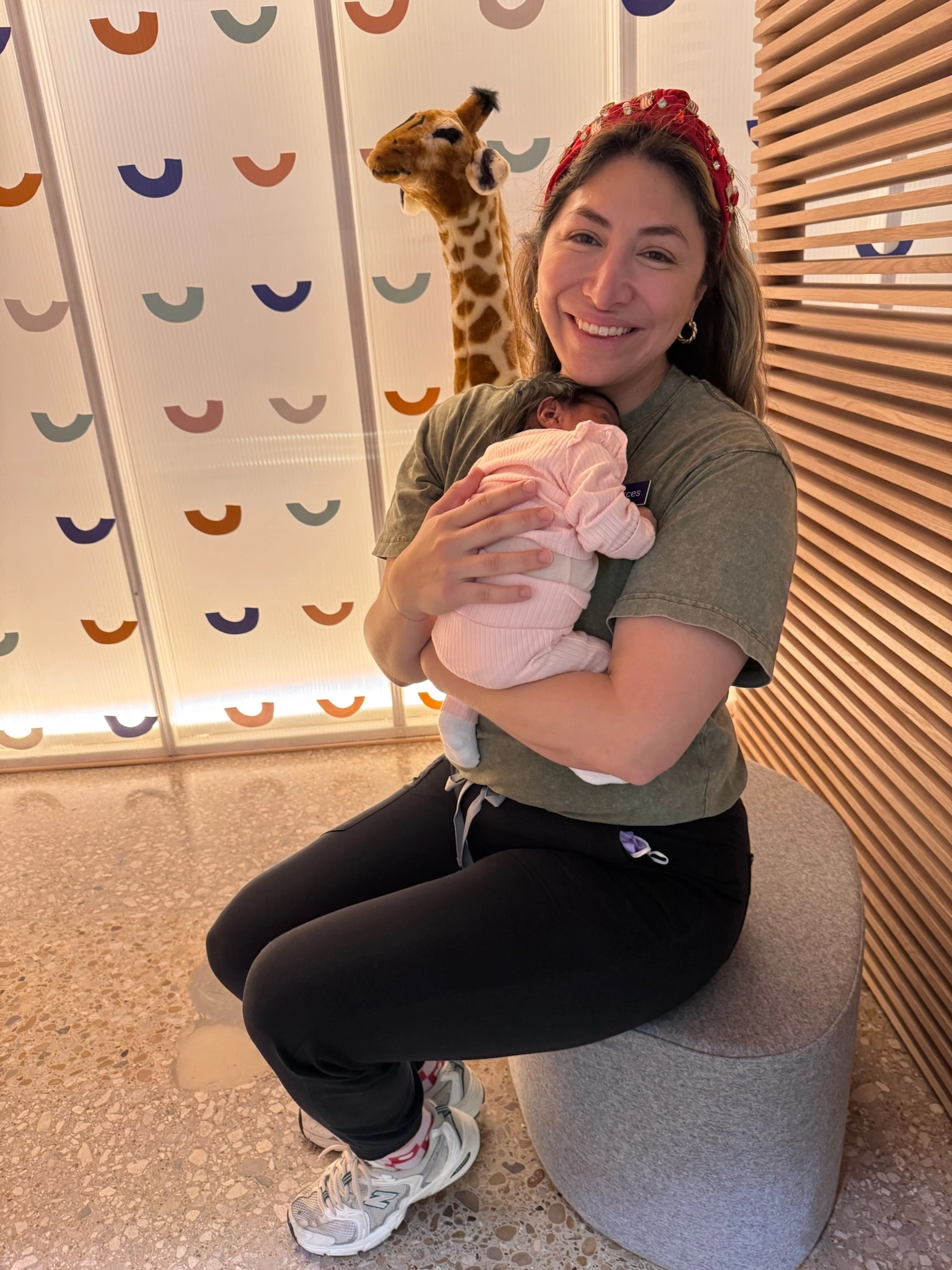
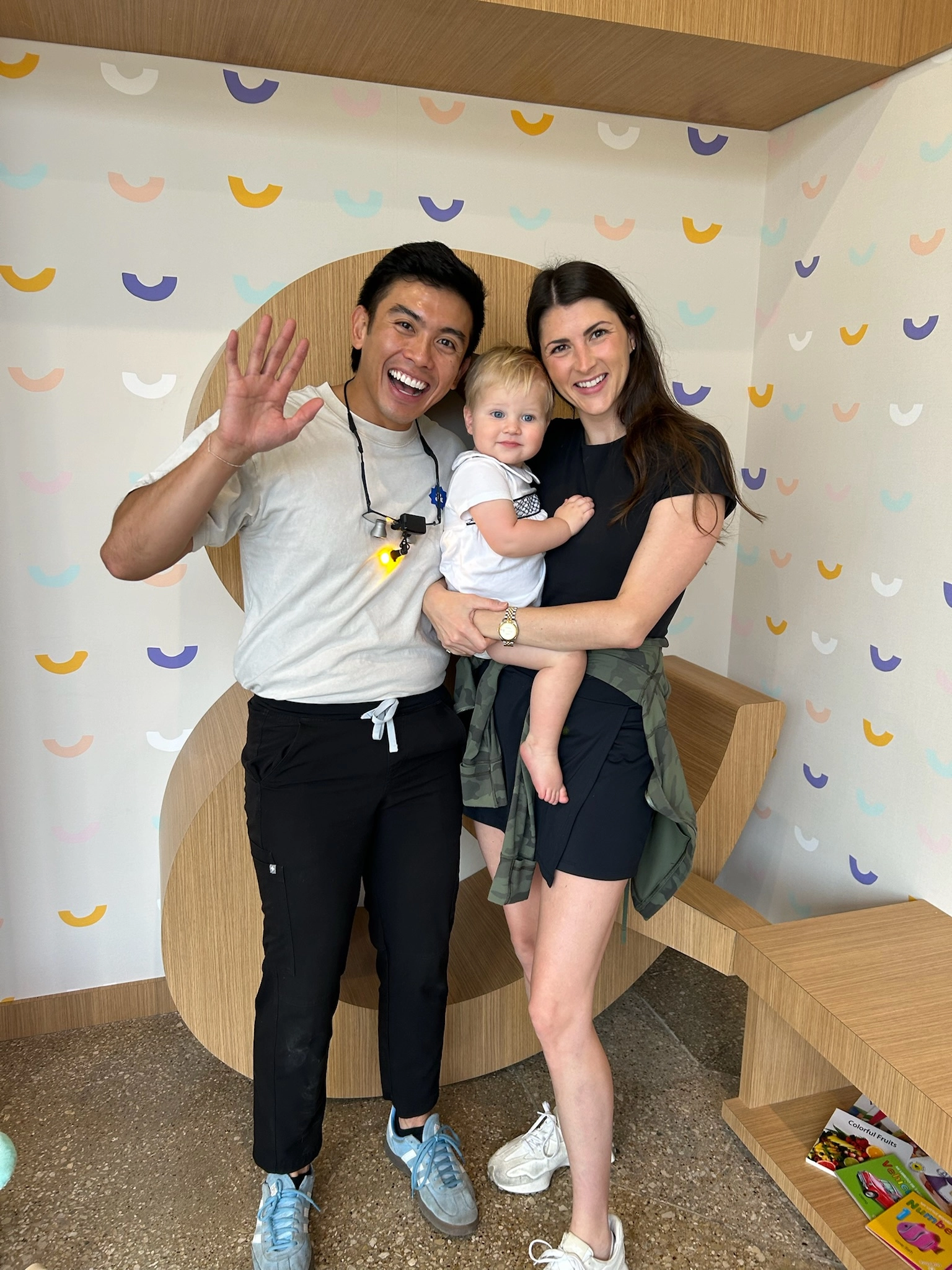
While the "first birthday" rule is a great general guideline, there are situations where we'd want to see your child earlier:
When in doubt, just give us a call. We'd rather you reach out and have us say "you're all good "than wait on something that needed attention sooner.
Dental anxiety in adults is incredibly common, and it almost always traces back to a negative experience in childhood. We've heard the stories. A painful surprise. A dentist who didn't take the time to explain. A feeling of not being in control.
We built &Smiles specifically to break that cycle.
Our office in Oak Cliff was designed to feel welcoming not clinical. Our team works hard to make every visit positive, even when we're doing something uncomfortable. And starting visits early means your child gets to know us as the people who count their teeth and give them a sticker, long before they ever associate us with anything scary.
That foundation of trust? It's the best gift you can give your child's long-term health.
The first dental visit should happen by your child's first birthday or within six months of that first tooth. It's not about fixing problems. It's about preventing them, building good habits, and making sure your child grows up knowing that taking care of their smile is just part of life.
We're not here to lecture. We're your neighbors in Oak Cliff. And we genuinely love watching the kids in this community grow up with healthy, happy smiles.
Ready to schedule your child's first visit? Call us at 214.833.8964 or book online we'd love to meet your little one.
&Smiles Pediatric Dentistry is located at 1222 N Bishop Ave Ste. 500, Dallas, TX 75208,in the heart of Oak Cliff. Dr. Mikael Garces and Dr. Anthony Ngo are board-certified pediatric dentists proudly serving Dallas families.
Pediatric Sedation Dentistry: A Comprehensive Clinical Overview for Parents
read morePediatric Dental Emergency Dallas: What Parents Need to Know?
read morePediatric Dental Cleaning: A Step-by-Step Professional Walkthrough
read moreInfant Dentistry: Mastering Early Hygiene and Cavity Prevention
read moreDental Check up for Kids: The Ultimate Step-by-Step Guide
read moreWhen Should My Child Have Their First Dental Visit? | &Smiles Pediatric Dentistry Dallas
read more


.svg)


